
Note: This article is a machine translation from the original Japanese post. If you notice any translation issues, please let us know.
When we consider cel painting as an artistic technique, its most defining characteristic is the use of a transparent film, commonly known as a "raw cel," as the painting surface. However, because the golden age of cel animation predated the widespread adoption of the internet, finding detailed information on this subject is no easy task. In particular, when it comes to the chemical knowledge of its composition, even asking an anime studio will not yield answers.
At the outset, I was a complete novice when it came to cel animation, so I began by learning the basics through research in published literature. For example, I learned things such as:
- Since cels are often layered on top of one another for photography, transparency and optical uniformity are critical
- The name "cel" originally derived from celluloid, but ultimately triacetate cellulose (TAC) became the primary material used
- Within Japan, the dominant product was manufactured by Fujifilm under the brand name "FUJITAC"
- The most commonly used cel thickness for animation cels was 117μ or 125μ
- As of 2021, domestic production of acetate film with a thickness of 100μ or greater has ceased
After acquiring this foundational knowledge, I obtained several production cels that collectors had discarded due to severe deterioration, and attempted to understand their structure in concrete terms. For example, I separated cels that had stuck together using benzine, and wiped surface grime with anhydrous ethanol. (Such treatments permanently alter the condition of animation cels, and should never be performed on anything other than items destined for disposal.)
I also experimented with the process of painting on resin sheets using OHP film, which remains relatively easy to obtain today. At this stage, my understanding had not yet extended to the scientific composition, so I encountered numerous problems such as cracking, peeling, and uneven coverage, making it difficult to produce an ideal animation cel.
By observing and imitating the real thing in this way, I learned a great deal that could never be gleaned from literature alone. First, I came to realize that much of the cel painting advice offered by amateur artists on the internet was inaccurate, based on misunderstandings and assumptions. Second, I was able to sense the tremendous effort, skill, and sheer tenacity of the people involved in producing animated works. The fact that such vast human resources were poured into something painstakingly created over an enormous number of work-hours, yet appearing on television for only a fleeting moment, is nothing short of astonishing to those of us living in an era where casual digital illustrations flood social media.
Drawing on the knowledge and experience I had accumulated up to this point, I set about searching for a substitute for TAC. I found a resin sheet wholesaler and processor that had previously handled acetate film, and reached out to them. I had them send me samples of several resin sheets selected based on their optical properties, and with the help of people experienced in cel painting, I carefully tested attributes such as transparency and how well paint adhered. As a result, I was able to find an alternative material suited to animation production among products not available on the general consumer market.
To ensure a continuous supply of this alternative material, it was necessary to place orders with the manufacturer in reasonably large quantities, but naturally, a single person alone could not generate enough demand to justify that. So I launched an e-commerce site and decided to sell it under the name "ARTCEL® Raw Cel". From that point on, I became the sole domestic supplier of raw cels.
This journey began as an attempt to grasp the mysteries at the heart of hand-painted animation, but quite unexpectedly, it evolved into a grand undertaking of passing down the techniques and spirit of cel animation from one generation to the next.
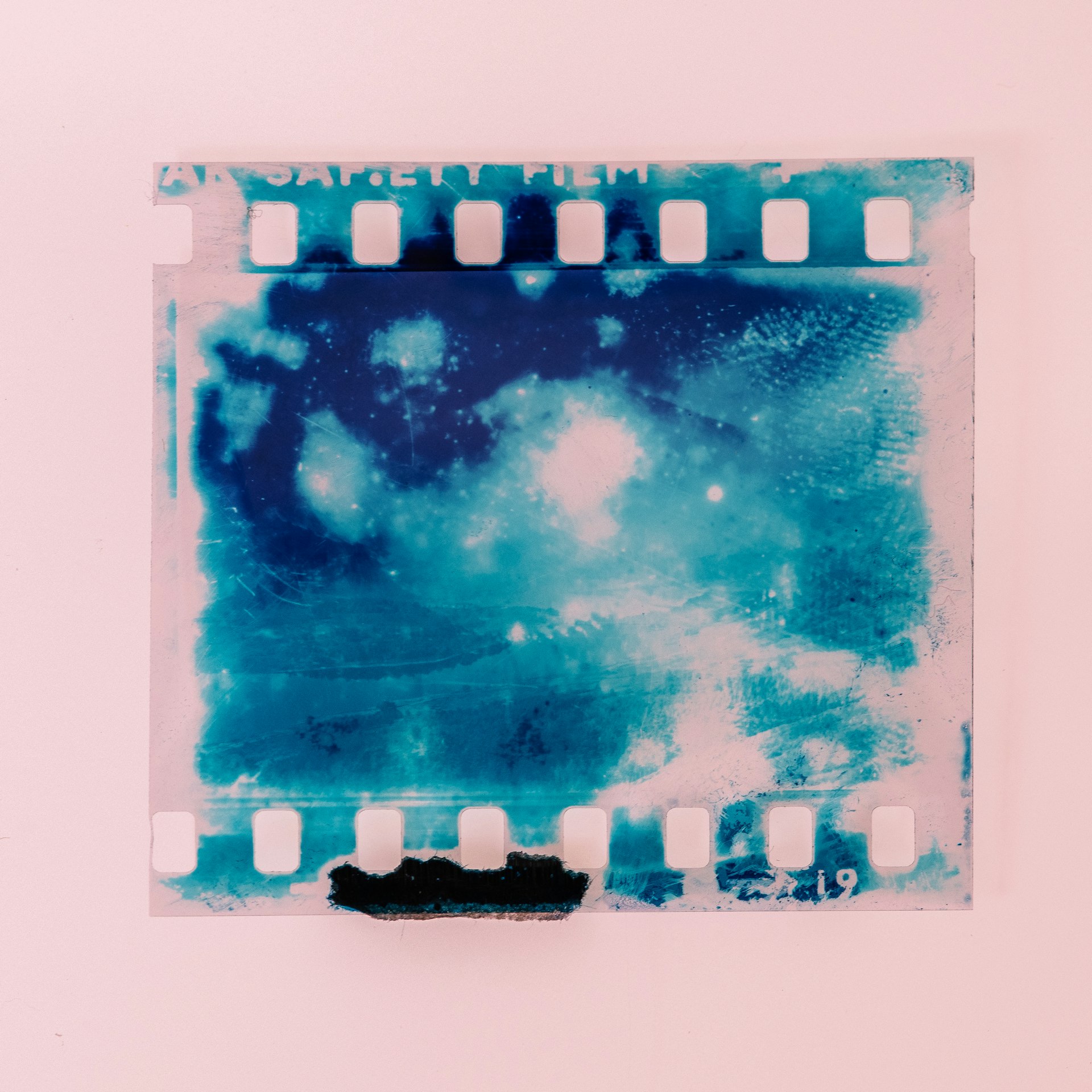
Image credit: Annie Spratt